Elevating Efficiency: Uncommon Insulation Techniques for the Modern Home Feb 02, 2026
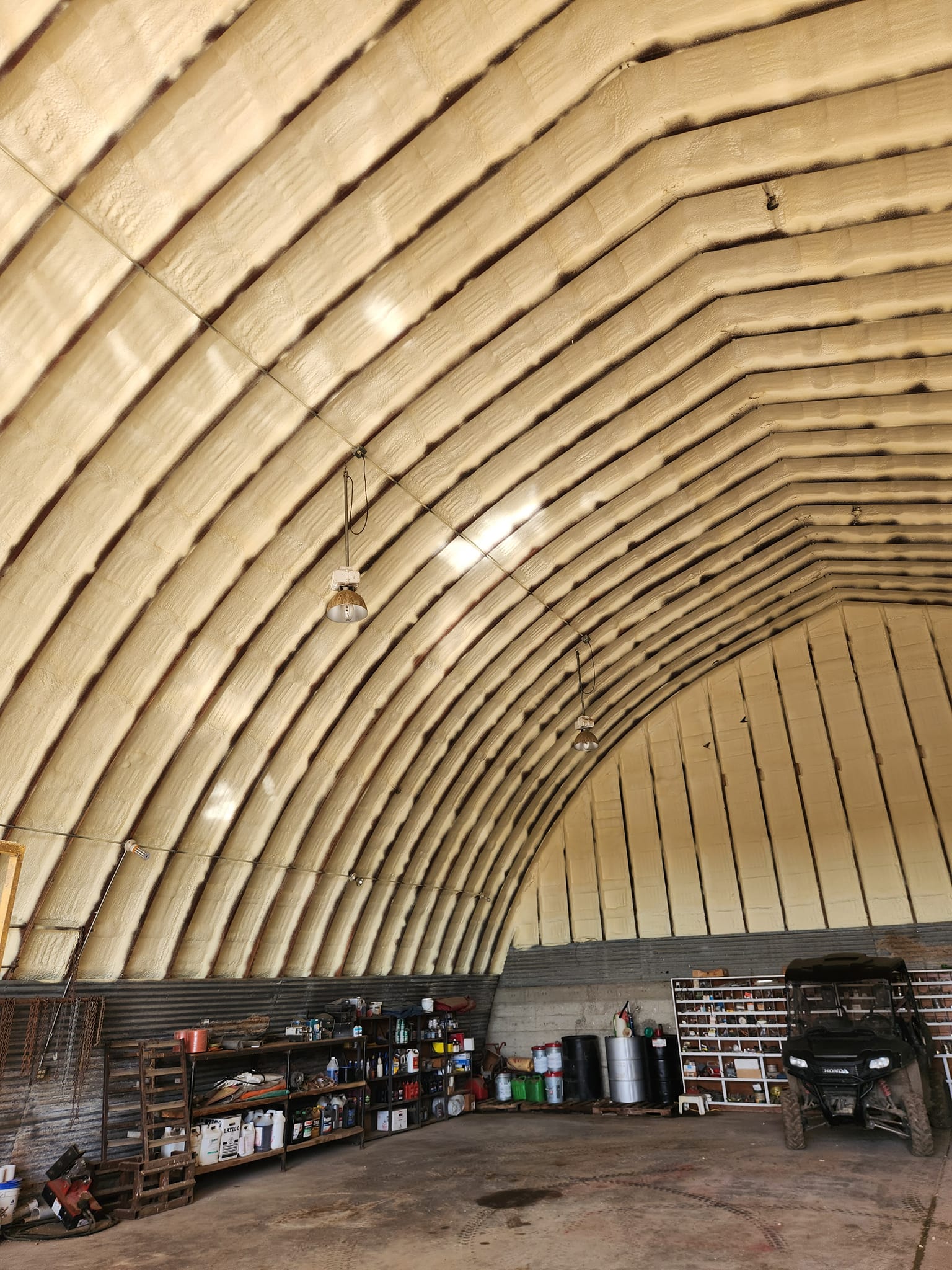
To begin, let's delve into the concept of spray foam insulation. Unlike traditional fiberglass options, spray foam expands after application, filling gaps and sealing off air leaks that often go unnoticed. This not only improves your home's energy performance by providing better insulation but also adds structural strength to your walls. Consider spray foam for areas that are prone to drafts, such as attics and basements. This technique can significantly reduce cold spots and contribute to a more consistent indoor climate across all seasons.
Reflective or radiant barrier insulation is another compelling option. Particularly effective in warmer climates, this technique involves applying reflective materials, such as aluminum foils, to surfaces that face the sun. These barriers reduce heat gain by reflecting heat away from the house, making your cooling systems work less, which in turn lowers energy costs. Reflective insulation is ideal for attics, where most heat tends to accumulate.
For those interested in sustainable living, recycled insulation materials present an appealing choice. Materials like cellulose, which is made from recycled paper, or denim insulation, derived from old jeans, offer effective thermal performance while being eco-friendly. Incorporating recycled materials into your home's insulation can provide significant environmental benefits and appeal to the eco-conscious homeowner.
Moving on, hybrid insulation systems combine different types of insulation to maximize their individual strengths. For example, combining spray foam with fiberglass or cellulose can offer superior thermal performance and cost efficiency. This method allows for the customization of insulation solutions based on the specific needs of different areas in your home, addressing both insulation and financial considerations effectively.
Finally, consider the benefits of smart insulation technologies. With the advent of smart home devices, insulation has not been left behind. Solutions like smart thermostats, coupled with advanced insulation, provide homeowners with the ability to monitor and manage their home's energy usage remotely, optimizing comfort and efficiency in real-time.
As you contemplate which insulation technique might best suit your modern home, it's important to consider several factors: the climate you live in, the design and layout of your house, and your personal sustainability goals. By working with a professional insulation contractor service like Non Typical Insulation, you can receive expert advice and implementation, ensuring that these uncommon techniques are applied effectively.
In conclusion, investing in advanced insulation techniques not only makes your home more comfortable and energy-efficient but also contributes to a sustainable future. Whether you're opting for spray foam, reflective barriers, recycled materials, or embracing smart technology, the right insulation solution can transform your living space and provide long-term benefits. To determine the best approach for your home, consider consulting with Non Typical Insulation to explore the most innovative and effective options available.
/filters:no_upscale()/filters:format(webp)/media/75eb1904-483e-4ef6-9eaa-dbecca9cd11b.jpg)
/filters:no_upscale()/filters:format(webp)/media/8c364dd0-aa90-4643-af98-68d347073b4f.jpg)