Building Resiliency: The Role of Advanced Insulation in Sustainable Architecture Jan 22, 2026
Sustainable architecture is fundamentally about creating structures that harmonize with their environment, minimizing their carbon footprint while maximizing energy efficiency. One of the most effective ways to achieve this is through the use of high-performance insulation. Insulation has long been utilized to maintain indoor temperatures, reduce heating and cooling costs, and improve overall energy efficiency. However, advancements in technology have ushered in a new era of insulation solutions that offer superior benefits.
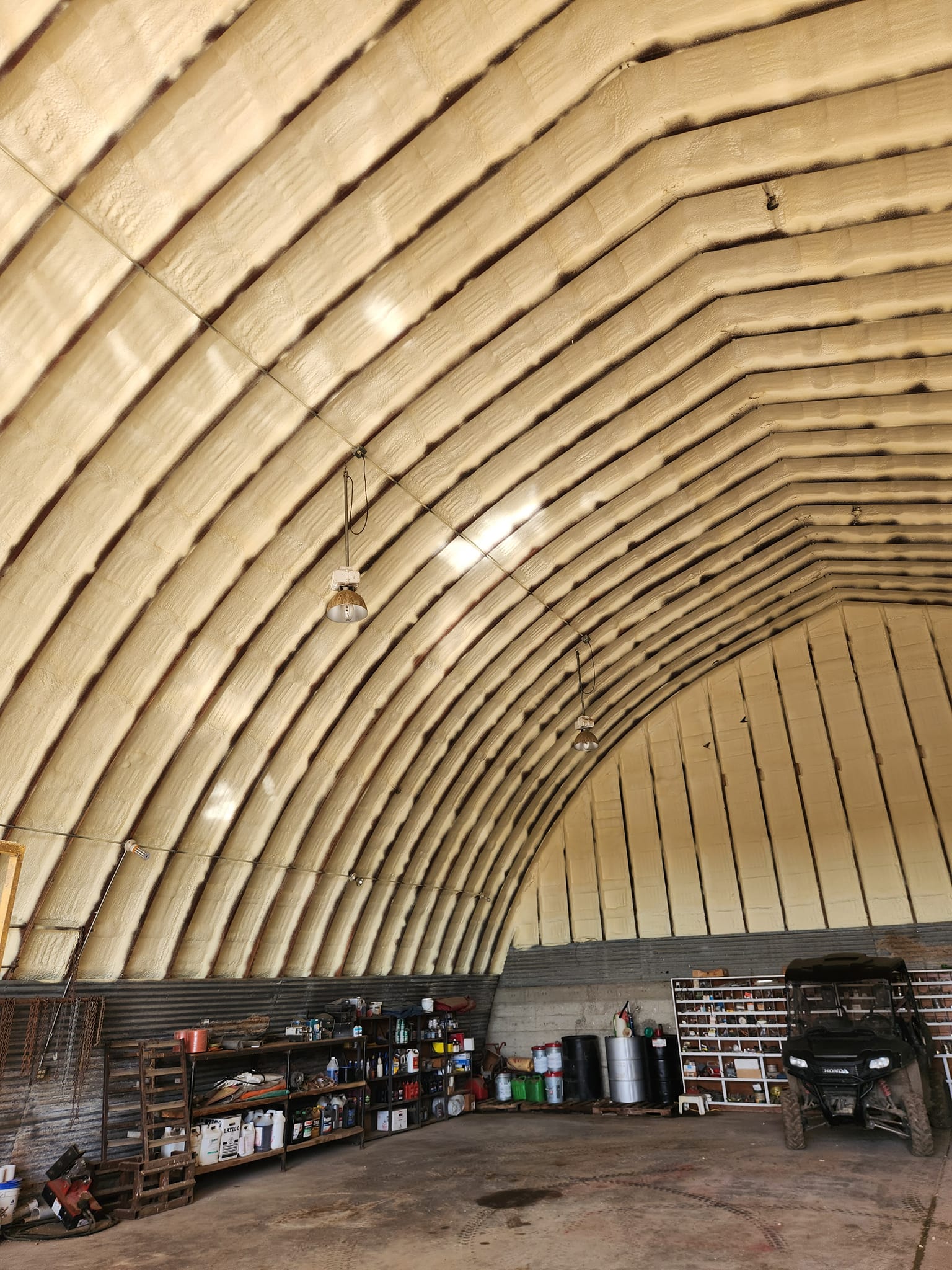
Advanced insulation materials, such as those provided by Non Typical Insulation, incorporate innovative designs and technologies that address both performance and environmental impact. For instance, spray foam insulation is gaining popularity due to its excellent air-sealing properties, resulting in reduced energy consumption. Rigid foam boards, another high-performance option, are particularly effective in reducing thermal bridging, ensuring that heat transfer through structural elements is minimized. Both options contribute significantly to the overall energy efficiency of a building, thus supporting sustainability goals.
Moreover, the role of insulation extends beyond mere temperature regulation. Advanced insulation materials also contribute to the durability and longevity of structures. By maintaining consistent indoor conditions, they prevent moisture build-up, which can lead to mold growth and other structural issues. This moisture control is crucial in extending the lifespan of a building, ensuring that it remains healthy and habitable for longer periods.
In addition to energy conservation and moisture management, advanced insulation offers acoustic insulation benefits. By reducing airborne sound transmission, these materials create quieter indoor environments, enhancing the comfort and satisfaction of occupants. For buildings located in bustling urban areas or near busy roads, this aspect of insulation is particularly beneficial.
With the importance of insulation in sustainable architecture clearly established, it's crucial for homeowners and builders to consider insulation options from reputable companies like Non Typical Insulation. Their expertise and commitment to innovation ensure that projects are outfitted with the best materials available, tailored specifically to meet the unique needs of each structure. By consulting with professionals, stakeholders can make informed decisions that align with both their environmental and economic objectives.
In conclusion, advanced insulation solutions are central to the advancement of sustainable architecture. They offer a host of benefits, from enhancing energy efficiency and building resiliency to improving indoor air quality and acoustic comfort. As we strive to reduce our environmental impact and create more resilient infrastructure, the choice of insulation becomes a pivotal consideration. By partnering with experienced providers like Non Typical Insulation, builders and homeowners alike can contribute to a more sustainable future, ensuring that our built environments are both eco-friendly and resilient for generations to come.
/filters:no_upscale()/filters:format(webp)/media/75eb1904-483e-4ef6-9eaa-dbecca9cd11b.jpg)
/filters:no_upscale()/filters:format(webp)/media/8c364dd0-aa90-4643-af98-68d347073b4f.jpg)