Beyond Comfort: The Environmental Impact of Advanced Insulation Techniques Nov 26, 2025
The core function of insulation in any building is to create a barrier to heat flow, thereby maintaining a stable indoor temperature and reducing the need for excessive heating or cooling. This results in lower energy consumption, which is directly tied to reduced greenhouse gas emissions. For instance, by properly insulating a home, it’s possible to cut energy bills by up to 20 percent. This translates into significant reductions in energy usage across entire communities, reflecting a broader environmental benefit.
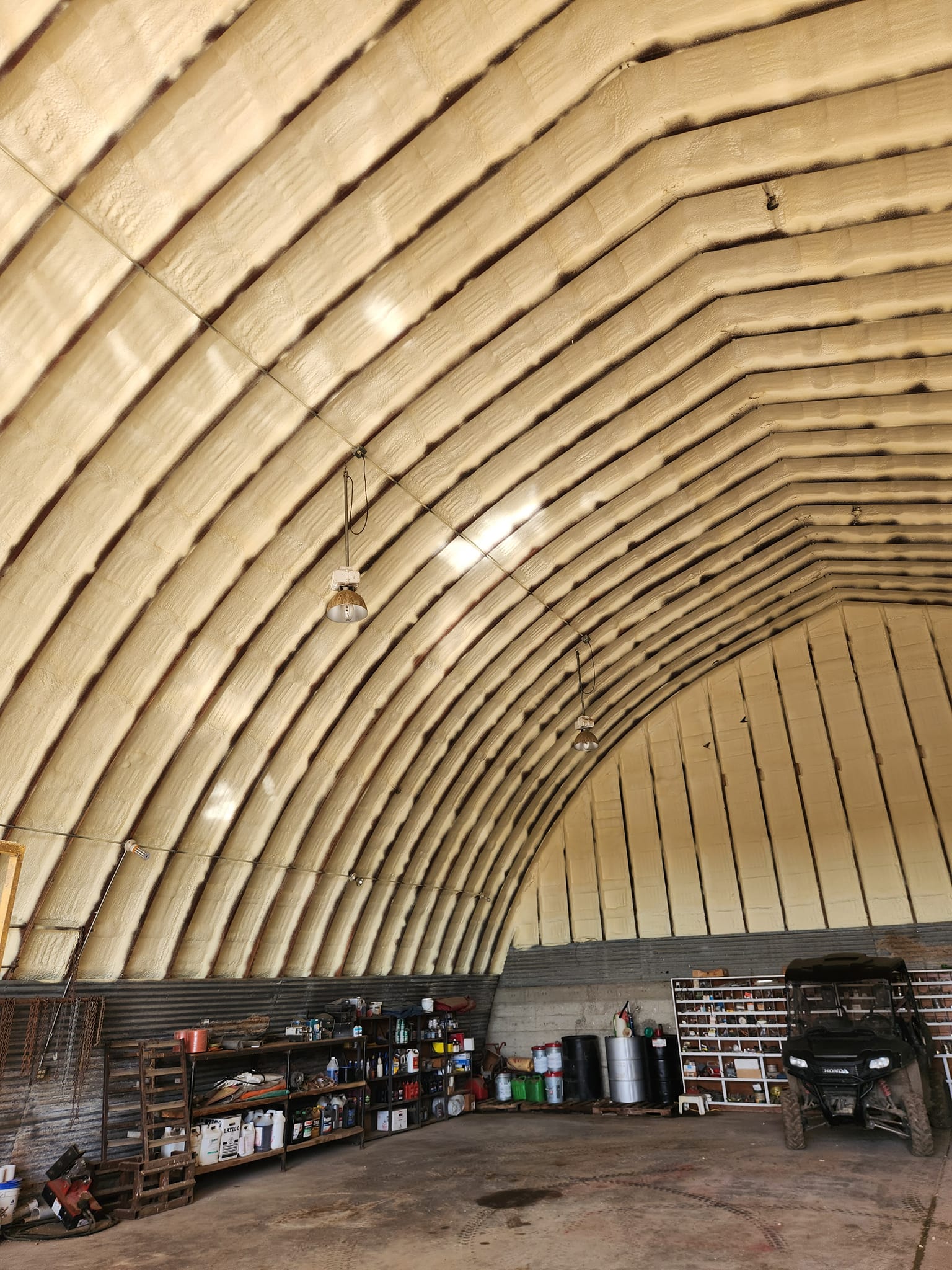
Modern insulation materials and techniques push these benefits even further. Unlike traditional fiberglass, advanced options such as spray foam insulation, cellulose, and rigid foam boards offer enhanced thermal performance and durability. Spray foam insulation, for example, not only provides better air sealing compared to traditional methods but also has a higher R-value – the measure of insulation's ability to resist heat traveling through it – which amplifies energy efficiency. This is particularly important in regions with extreme climates, where maintaining optimal thermal conditions inside a building reduces the reliance on artificial air conditioning and heating systems.
Beyond energy conservation, environmentally advanced insulation materials are increasingly made from recycled or locally sourced materials. Cellulose insulation, which utilizes recycled newspaper, and wool insulation, derived from sheep’s wool, showcase how sustainable practices can be incorporated into building processes. Moreover, such products often require less energy to manufacture, leading to a reduction in the building’s overall carbon footprint.
It’s not all about the materials, though. Installation techniques also play a crucial role in maximizing the efficiency and environmental benefits of insulation. At Non Typical Insulation, the focus is not just on the use of high-performance products but also on expert application methods. Proper installation is critical; air gaps due to poor application can significantly reduce insulation’s effectiveness. Our operators are trained to ensure precision, which guarantees that clients receive maximum benefit from their insulation investment.
Another often overlooked advantage of advanced insulation is its contribution to improved air quality inside homes and buildings. Proper insulation minimizes drafts and the infiltration of outdoor air pollutants, creating a healthier indoor environment. This is increasingly important as people become more aware of the impact of indoor air quality on health and well-being.
In conclusion, advanced insulation techniques hold tremendous potential in driving a greener future. By selecting high-quality materials and focusing on expert installation, Non Typical Insulation helps homeowners and businesses achieve greater energy efficiency while simultaneously protecting the environment. The long-term savings on utility bills and the reduction in environmental footprint reinforce the value of investing in advanced insulation solutions. As more people realize this connection between insulation and sustainability, the shift toward eco-friendlier practices in construction will continue to gain momentum, setting a standard for future developments. Beyond comfort, advanced insulation is a cornerstone of sustainable living and environmental stewardship.
/filters:no_upscale()/filters:format(webp)/media/75eb1904-483e-4ef6-9eaa-dbecca9cd11b.jpg)
/filters:no_upscale()/filters:format(webp)/media/8c364dd0-aa90-4643-af98-68d347073b4f.jpg)